Tracing Strategy Adaptations Among Players in Austria's Regional Card Clubs
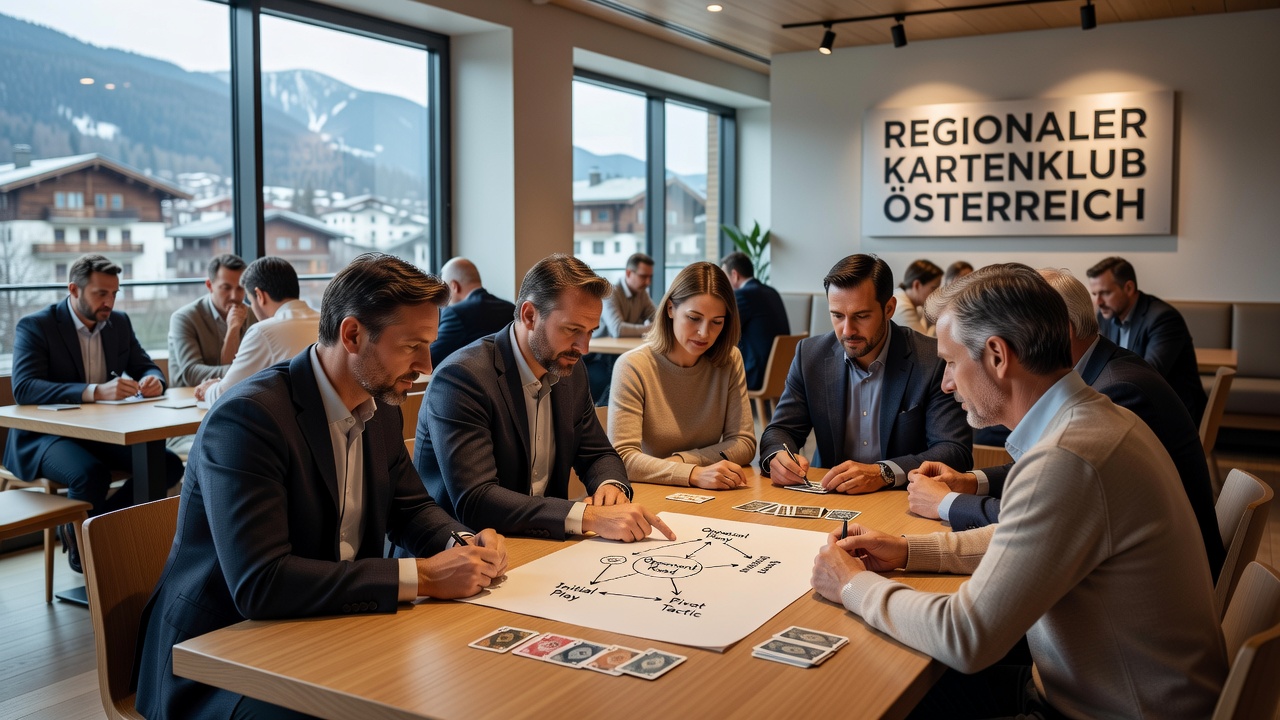
Regional card clubs across Austria maintain a steady rhythm of play that draws both long-term members and newer participants seeking structured environments for games like poker and other table variants. Observers note how these clubs function as hubs where players refine approaches over repeated sessions and adjust based on observed patterns from opponents. Data from regional gaming reports show participation levels holding consistent through 2025 with slight upticks projected into the following year.
Historical Patterns in Club Play
Card clubs in provinces such as Tyrol and Styria established routines decades ago that emphasized face-to-face interaction and manual tracking of habits. Those who've studied club records find early adaptations centered on basic position awareness and bet sizing that evolved slowly through word-of-mouth exchanges among regulars. Research indicates these foundational tactics persisted because many venues operated without digital aids until the mid-2010s.
Yet shifts began when portable devices entered club spaces and allowed quick reference to hand histories. Players started layering statistical overlays onto live observations while still respecting house rules against overt electronic assistance during active hands. Figures reveal that by 2020 most clubs in Lower Austria had introduced informal guidelines to balance traditional etiquette with emerging tools.
Technology Influences on Decision Making
Software applications now supply real-time probability calculations that club members consult between rounds or after sessions. Studies from the University of Innsbruck highlight how users integrate these outputs with personal memory of specific opponents rather than replacing intuition outright. One documented case involved a group in Salzburg that developed shared note-taking systems to map betting frequencies across weekly tournaments.
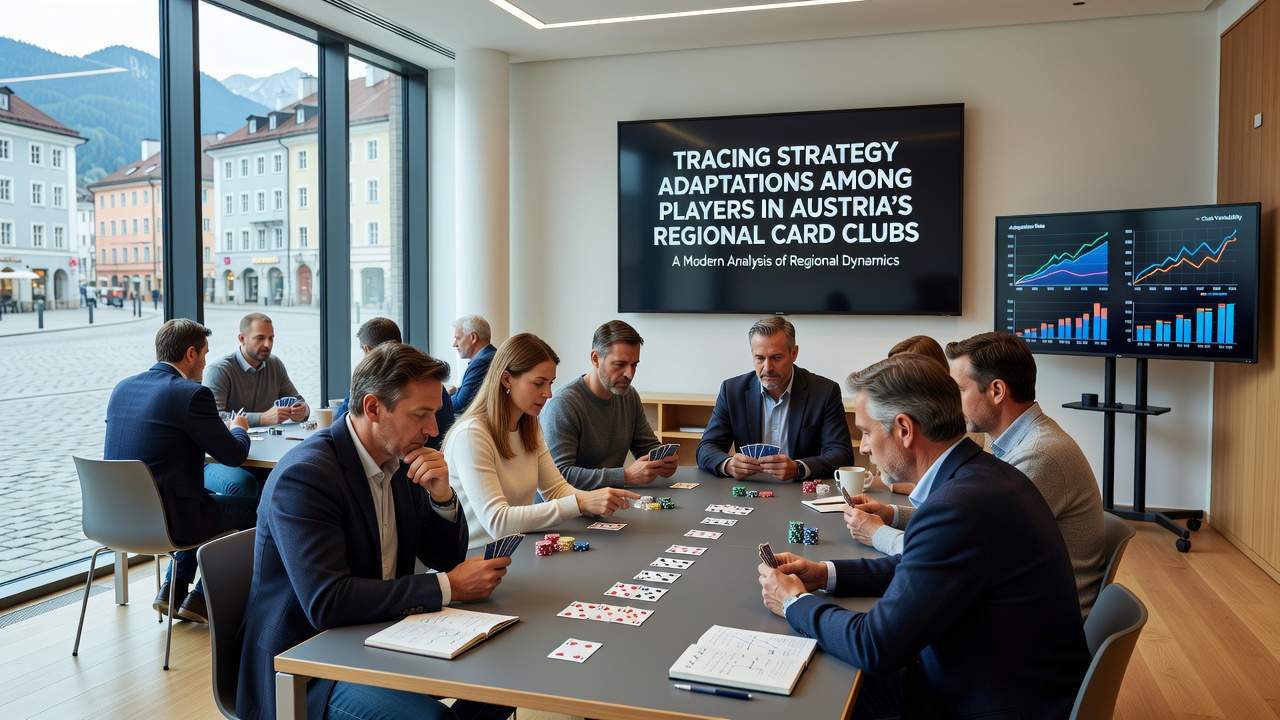
What's interesting is the way clubs themselves adapt by offering optional workshops on data interpretation. Attendance records from Upper Austria venues indicate steady enrollment in these sessions throughout 2025 and into scheduled events planned for August 2026. Participants learn to filter public database information against the limited sample sizes typical of smaller regional fields.
Regional Variations and Observed Shifts
Clubs in Vienna tend to feature faster-paced tables where adaptations focus on rapid reads and smaller sample adjustments whereas rural locations emphasize endurance and longer-term opponent profiling. According to a report issued by the European Gaming Association, average session lengths differ by roughly twenty percent between urban and countryside sites. Players often migrate between these environments and carry techniques that require further tailoring upon arrival.
But here's the thing: regulatory updates scheduled for August 2026 may standardize certain tracking practices and thereby influence how clubs document strategic changes. Those monitoring compliance note that clearer guidelines could encourage more transparent sharing of anonymized data sets for academic review. Research published by the University of Melbourne on European card game behaviors suggests such transparency sometimes accelerates collective learning curves without altering individual edge-seeking motives.
Community Knowledge Transfer Mechanisms
Informal mentoring remains common with experienced members demonstrating adjusted ranges through post-game reviews. Observers describe how younger entrants absorb these lessons while contributing fresh angles derived from online resources. This exchange creates hybrid styles that blend club-specific tells with broader population statistics.
Evidence suggests participation in inter-club events accelerates the spread of successful adaptations. Records from the 2025 season show teams from Carinthia incorporating defensive lines first tested in Styrian venues and vice versa. Such cross-pollination continues because travel between regions stays accessible and club calendars align around shared holidays.
Conclusion
Strategy adaptations within Austria's regional card clubs reflect ongoing interplay between tradition and available resources. Data shows measurable changes in how participants prepare and respond during play while preserving the social core of club life. As August 2026 approaches, continued observation of these patterns will clarify whether new regulations accelerate or moderate the pace of further evolution.