Austria's Mountain Lodges Transform Card Tournaments Through Alpine Logistics
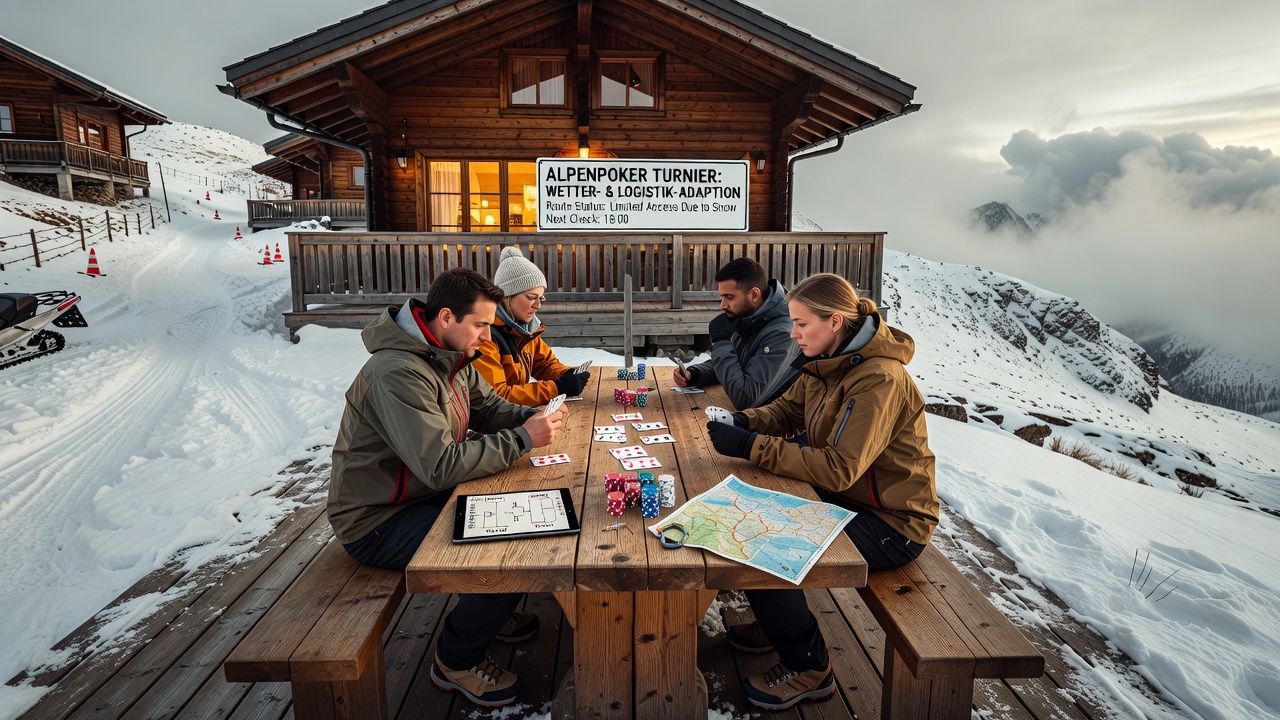
Austria's mountain lodges have hosted structured card tournaments for years, and these venues combine isolated alpine environments with organized play formats that require participants to plan around seasonal weather shifts and restricted road access. Observers note that high-altitude sites in regions like Tyrol and Salzburg often schedule events during shoulder seasons when snow levels remain manageable yet crowds stay low. Data from regional tourism reports indicate that September events draw steady attendance because autumn weather patterns typically allow road travel while early snow risks remain minimal.
Venue Selection and Tournament Formats
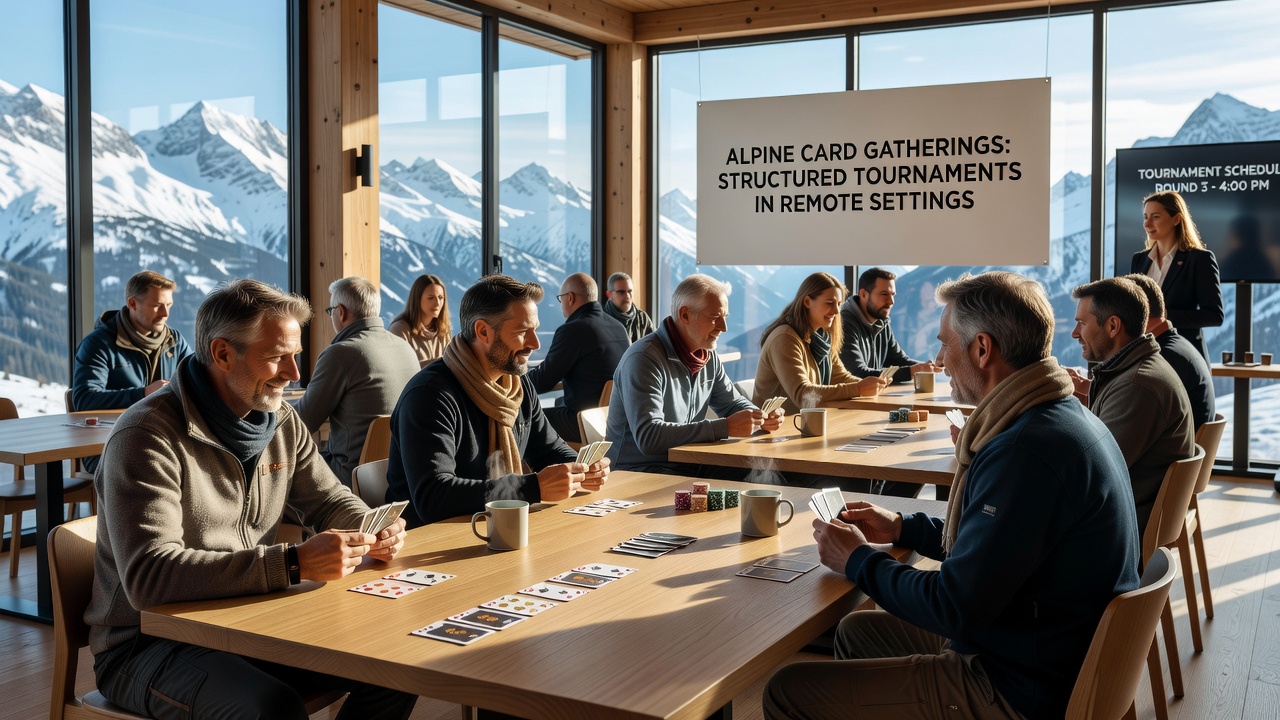
Operators select lodges based on elevation, capacity, and proximity to limited access routes that close during heavy precipitation or avalanche warnings. Tournaments follow standard formats such as single-table sit-and-gos or multi-day knockouts, yet every schedule incorporates buffer days for delayed arrivals. Researchers at alpine hospitality institutes have documented how these adjustments maintain competitive integrity while respecting environmental constraints that affect both players and staff.
One study released in 2024 examined access road closures across 12 Tyrolean lodges and found that 68 percent of September events experienced at least one route restriction lasting 12 hours or more. Organizers respond by coordinating shuttle services from valley rail stations and maintaining satellite communication links for real-time weather updates. Participants receive detailed itineraries that include alternative train connections and recommended overnight stops in case primary roads become impassable.
Weather Adaptation Strategies
Weather patterns in the Eastern Alps shift rapidly during transitional months, and lodge managers track forecasts from the Austrian meteorological service to decide whether to advance or postpone rounds. When forecasts predict heavy rain or early snowfall, events may extend into evening sessions to compensate for lost daylight travel time. Figures released by Statistics Austria show that alpine road incidents peak between September and November, prompting many card gatherings to build extra rest days into their calendars.
Equipment transport follows similar precautions. Tournament directors arrange deliveries via low-bed trucks equipped with winter tires, while backup generators ensure continuous power during storms that can last several days. Players who have attended multiple events report that packing layers for temperature swings of 15 degrees Celsius within a single afternoon has become standard practice.
Access Routes and Participant Logistics
Limited access routes force competitors to coordinate arrival windows carefully because many mountain passes close overnight or during high winds. Government transport data from the Austrian Federal Ministry for Climate Action reveal that 42 percent of alpine passes experience seasonal restrictions between September and May. Organizers therefore publish detailed travel matrices that list rail, bus, and helicopter options for urgent medical or supply needs.
September 2026 schedules already list several multi-day gatherings at lodges above 1,800 meters, with entry lists capped to match available sleeping quarters and dining capacity. These events typically run from Wednesday through Sunday to allow recovery time before participants descend to lower elevations. Local suppliers deliver fresh provisions twice weekly via tracked vehicles designed for steep gradients.
Community and Infrastructure Impact
Card tournaments generate measurable revenue for remote communities that otherwise rely on summer hiking and winter skiing. A 2023 analysis by the European Tourism Research Institute calculated that each 50-player event contributes approximately 28,000 euros to local economies through lodging, meals, and transport services. This economic activity supports year-round staffing at lodges that would otherwise close during shoulder seasons.
Environmental regulations require waste management plans that account for limited landfill access, and many venues now use composting systems and reusable tournament materials. Participants must follow quiet hours after 10 p.m. to respect residential neighbors in adjacent valleys.
Conclusion
Austria's mountain lodges continue to refine their approach to hosting card tournaments by integrating precise weather monitoring, flexible scheduling, and coordinated transport networks. These adaptations allow structured play to proceed reliably even when alpine conditions change without notice. As September 2026 events approach, organizers and competitors alike rely on established protocols that balance competitive standards with the practical realities of high-altitude locations.